
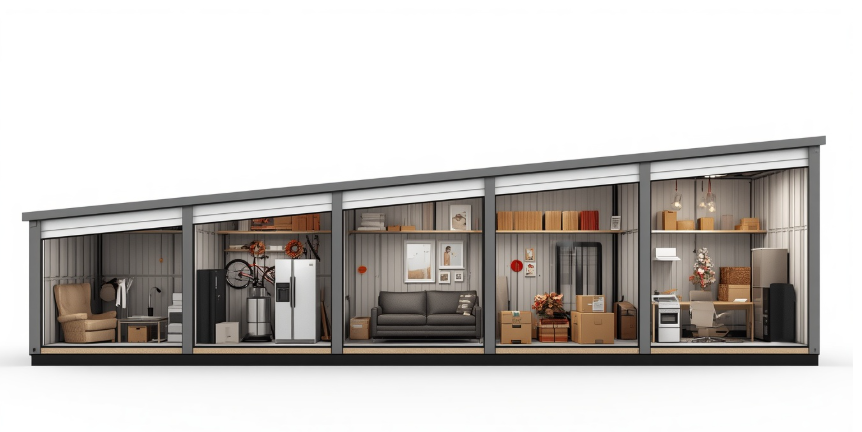
Picking the wrong storage unit size is one of the most common mistakes renters make. Rent too small, and you’re stuffing boxes into every corner. Rent is too large, and you’re paying for space you’ll never use. Getting it right from the start saves you money and a lot of frustration.
The good news? Estimating the right size is straightforward when you think about it room by room. This guide walks you through exactly how to do that, with a practical size chart and packing tips to make the most of your space.
Why Choosing the Right Storage Unit Size Matters
Self storage room sizes affect more than just fit. Here’s why getting it right matters:
- Budget: Larger units cost more per month. Choosing the right size keeps your costs predictable.
- Accessibility: A unit packed too tightly makes it hard to reach items when you need them.
- Organization: The right amount of space lets you arrange belongings logically, so nothing gets lost.
- Future flexibility: If you plan to add more items later, sizing up slightly gives you room to grow without switching units.
Taking a few minutes to plan ahead pays off over the length of your rental. If you’re unsure at any point, you can always request pricing and unit sizing directly from the team.
A Room-by-Room Guide to Estimating Storage Needs
Go through each room in your home and list what you plan to store. Here’s a breakdown by room to get you started.
Bedroom
A typical bedroom includes:
- Bed frame and mattress
- Dresser and nightstands
- Clothing and linen boxes
- Mirrors or artwork
A single bedroom generally fills a 5×10 or 10×10 unit, depending on furniture size. A king bed with a full dresser and boxes will need more space than a twin mattress and a few bags.
Living Room
Living room furniture takes up more volume than most people expect. Common items include:
- Sofa or sectional
- Coffee table and end tables
- TV and entertainment unit
- Bookshelves and lamps
Bulky seating and shelving add up fast. For a full living room, plan for at least a 10×10 unit, and possibly a 10×15 if you have a large sectional.
Kitchen
Kitchens are often underestimated. Items to account for include:
- Small appliances (microwave, blender, toaster)
- Boxed tableware, cookware, and pantry goods
- Dining chairs and a folded table
Kitchen items are heavy and oddly shaped. Pack them into sturdy boxes and stack them to save floor space.
Garage
Garages tend to hold the most items. Think about:
- Power tools and hand tools
- Lawn equipment and garden supplies
- Bicycles and sporting gear
- Holiday decorations and bins
Garage contents alone can fill a 10×15 or 10×20 unit. If you are storing a vehicle alongside other items, vehicle storage options should be factored in separately.
Home Office
Office items are easy to overlook. Include:
- Desk and office chair
- Filing cabinets and shelving
- Computer equipment and peripherals
- Boxes of documents or supplies
Business owners storing inventory or equipment alongside office items may want to look into dedicated business storage options, which are available at Handy Storage locations across South Florida.
Storage Unit Size Guide
Use this table as a quick reference when comparing self storage room sizes, you can also see the full breakdown on our self-storage size guide:
| Unit Size | Approximate Capacity | Best For |
| 5×5 | Small closet | Boxes, small furniture, seasonal items |
| 5×10 | Walk-in closet | One room of furniture, bikes, appliances |
| 10×10 | Small bedroom | Two to three rooms of furniture and boxes |
| 10×15 | Large bedroom | Three to four rooms, or a full apartment |
| 10×20 | One-car garage | Large home contents, vehicles, business inventory |
If you are between two sizes, going one size up is usually the smarter choice.
Tips for Maximising Storage Space
No matter what size unit you rent, smart packing makes a big difference. Follow these tips, and see our full list of self-storage tips for more:
- Disassemble furniture where possible to reduce bulk
- Label every box clearly on the top and sides
- Use vertical space by stacking boxes and using shelving units
- Leave a center walkway so you can reach items at the back
- Store heavier items at the bottom to prevent damage
- Wrap fragile belongings in bubble wrap, blankets, or moving paper
- Good organization now saves time every time you visit your unit.
When Should You Choose a Climate-Controlled Unit?
South Florida’s heat and humidity can damage many common household items. Climate-controlled storage is worth the investment if you are storing:
- Electronics and computers
- Important documents and files
- Wooden furniture
- Photographs and artwork
- Musical instruments
High temperatures and moisture cause warping, mold, corrosion, and fading over time. Ask your nearest location, such as Dania Beach, Miami, Pembroke Pines, or Plantation, about climate-controlled options to protect your belongings no matter how hot or humid it gets outside.
Common Mistakes When Choosing Storage Unit Sizes
Avoid these pitfalls before you sign a rental agreement:
- Renting too small and having to make multiple trips or leave items behind
- Renting far larger than needed and paying for unused space every month
- Skipping organization and piling items in without a plan
- Ignoring future needs, such as items you plan to add after moving
- Not measuring large furniture before assuming it will fit
A quick inventory list and a tape measure go a long way. If you still have questions, our FAQ page covers the most common ones.
Plan Smart, Store Better
Choosing the right self storage room sizes comes down to planning. Walk through your home, list what you need to store, and match that list to the size guide above. A little preparation upfront prevents costly mistakes later.
If you are still unsure which unit size is right for you, the team at Handy Storage is happy to help. With locations in Dania Beach, Plantation, Pembroke Pines, and Miami, Handy Storage has served South Florida families, renters, and businesses for over 45 years.
Visit handystorage.com to explore available units, compare sizes, and get in touch with your nearest location today.