
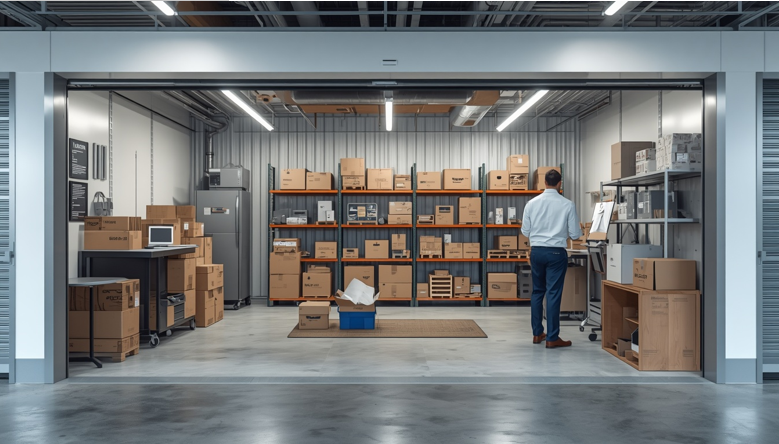
Running a business means managing space as carefully as managing time. At some point, inventory piles up, equipment needs a home, and seasonal merchandise takes over corners of your workspace that were never meant to store anything. Before long, the question becomes: do we lease more warehouse space, or is there a smarter way to handle this?
For many small and medium-sized businesses, the answer has been self storage. A flexible, lower-commitment alternative, self storage lets businesses handle overflow without the full weight of a commercial lease. It does not work for every situation, but for a wide range of business needs, it can be the right move at the right time.
Why Additional Warehouse Space Can Be a Major Commitment
Expanding into a new warehouse sounds straightforward until you factor in everything that comes with it. Commercial leases often run for multiple years, requiring businesses to commit to a space long before they know whether their growth will justify the cost.
Beyond monthly rent, there are utility bills, security deposits, maintenance responsibilities, and the ongoing expense of managing a second property. If business slows down or demand shifts, you may be locked into paying for far more space than you actually use. That kind of fixed overhead can put real pressure on a growing business.
Self Storage Offers Businesses More Flexibility
Self storage works differently. Businesses rent only the space they currently need, and most facilities offer month-to-month agreements that can scale up or down as circumstances change.
This flexibility makes self storage a practical storage solution in Florida for a wide variety of businesses:
● Seasonal businesses that need extra space during peak months but not year-round
● Retailers and e-commerce sellers managing fluctuating inventory levels
● Contractors and service businesses storing tools, equipment, and supplies between jobs
● Growing companies that need temporary overflow space during an expansion
● Startups that are not yet ready to commit to a commercial property
Rather than locking into a long-term lease, these businesses can adjust their storage footprint as needed, keeping overhead manageable.
When Businesses Can Benefit From Self Storage
Self storage is specifically designed to solve one problem: where to put things you need but do not use every day. There are many practical scenarios where renting a storage unit makes good business sense:
● Storing excess or overstock inventory
● Keeping seasonal products offsite between selling periods
● Archiving documents, files, and business records
● Storing marketing materials, displays, and event equipment
● Housing furniture and fixtures during an office renovation or relocation
● Keeping tools and supplies for field-based service businesses
● Managing inventory growth during a business expansion
● Storing product samples, packaging, or trade show materials
It is important to be clear about what self storage is built for. These facilities are designed for storing items, not for conducting day-to-day business operations. If your business requires regular shipping, receiving, manufacturing, or staffed operations, a warehouse or commercial space will still be the more appropriate choice.
Self Storage Can Support Business Growth
Growing businesses often face a gap between outgrowing their current space and being ready to commit to a larger facility. Self storage can help bridge that gap.
During an office renovation, a relocation, or a period of rapid inventory growth, a storage unit provides usable space without long-term obligations. Businesses can move at their own pace, adding or reducing storage as operations evolve rather than making major real estate decisions under pressure.
Self Storage vs. Warehouse Space
Both options serve a purpose. Here is a simple comparison to help businesses think through which makes more sense for their situation:
| Factor | Self Storage | Warehouse Space |
| Lease commitment | Month-to-month | Typically multi-year |
| Overhead costs | Lower | Higher |
| Space flexibility | Easy to adjust | Fixed square footage |
| Best for | Storage-only needs | Operations, shipping, production |
| Access | During facility hours | Often 24/7 operational |
| Ideal for | Small to mid-size businesses | High-volume inventory operations |
A warehouse may still be the right choice for businesses managing large volumes of inventory with regular inbound and outbound shipping, or those that need dedicated operational space. Self storage works best when the primary need is simply a secure, accessible place to keep business items.
What Businesses Should Consider Before Choosing a Storage Unit
Before renting a unit, business owners should think through a few key questions:
What size unit do you need? Consider how much you are storing now and whether that amount is likely to grow.
What are you storing? Some items, such as electronics, documents, or temperature-sensitive goods, may require climate-controlled storage.
How often will you need access? If you visit frequently, location and access hours matter.
How long will you need the unit? Short-term needs differ from ongoing storage requirements.
What are the facility’s policies? Review access hours, security measures, and what types of items are permitted.
Thinking through these questions upfront helps businesses choose the right unit and avoid paying for more space than they need.
Choosing a Business Storage Location
Location plays a bigger role than most people expect. A storage facility that is easy to reach from your office or job sites saves time, especially if you are retrieving equipment or inventory on a regular basis.
Handy Storage operates multiple locations across South Florida, including Dania Beach, Pembroke Pines, Plantation, and Miami. With facilities near major interstates, Handy Storage is built for convenient access, which matters when your business depends on getting in and out efficiently. The Dania Beach location at 420 Stirling Rd, for example, is well-positioned for businesses operating throughout Broward County.
Finding the Right Fit for Your Business
Self storage is not a replacement for warehouse space in every scenario, but it is a genuinely useful option for businesses that need flexibility, lower overhead, and a practical place to store inventory, equipment, or supplies without taking on another commercial lease.
The right choice depends on your business size, what you are storing, how often you need access, and where you are headed. For businesses that simply need more space without more commitment, self storage is worth a serious look.
If your business is ready to explore commercial storage options in South Florida, contact Handy Storage to learn more about available unit sizes and locations.